'A Duna Vallomása - By the Danube' Royal Academy of Fine Arts Antwerp, Master Show, 2024

1
/
0
A DUNA VALLOMÁSA & BY THE DANUBE - About a show by Veronika Breuer
By Hans Theys, Montagne de Miel, 17 June 2024
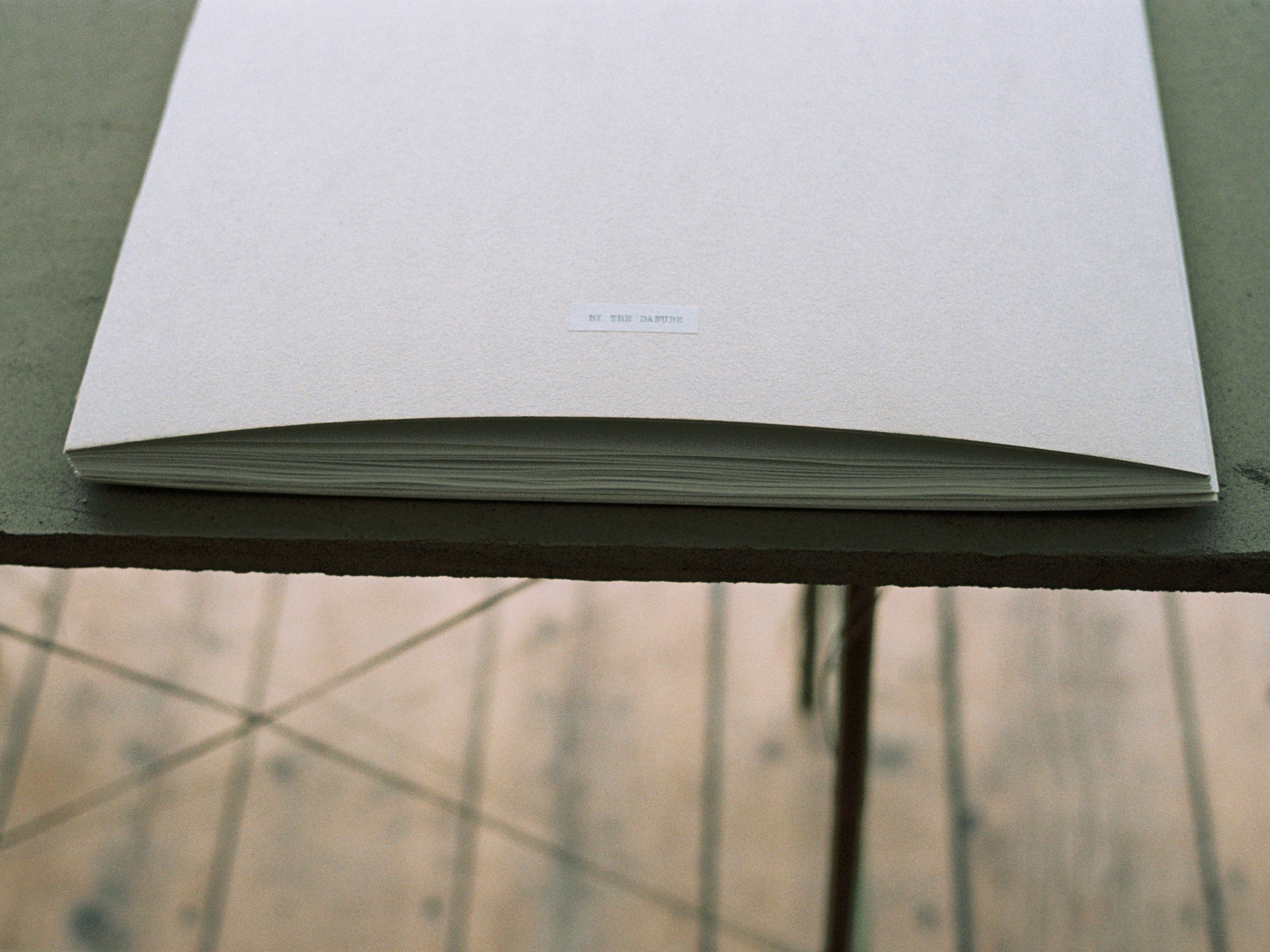
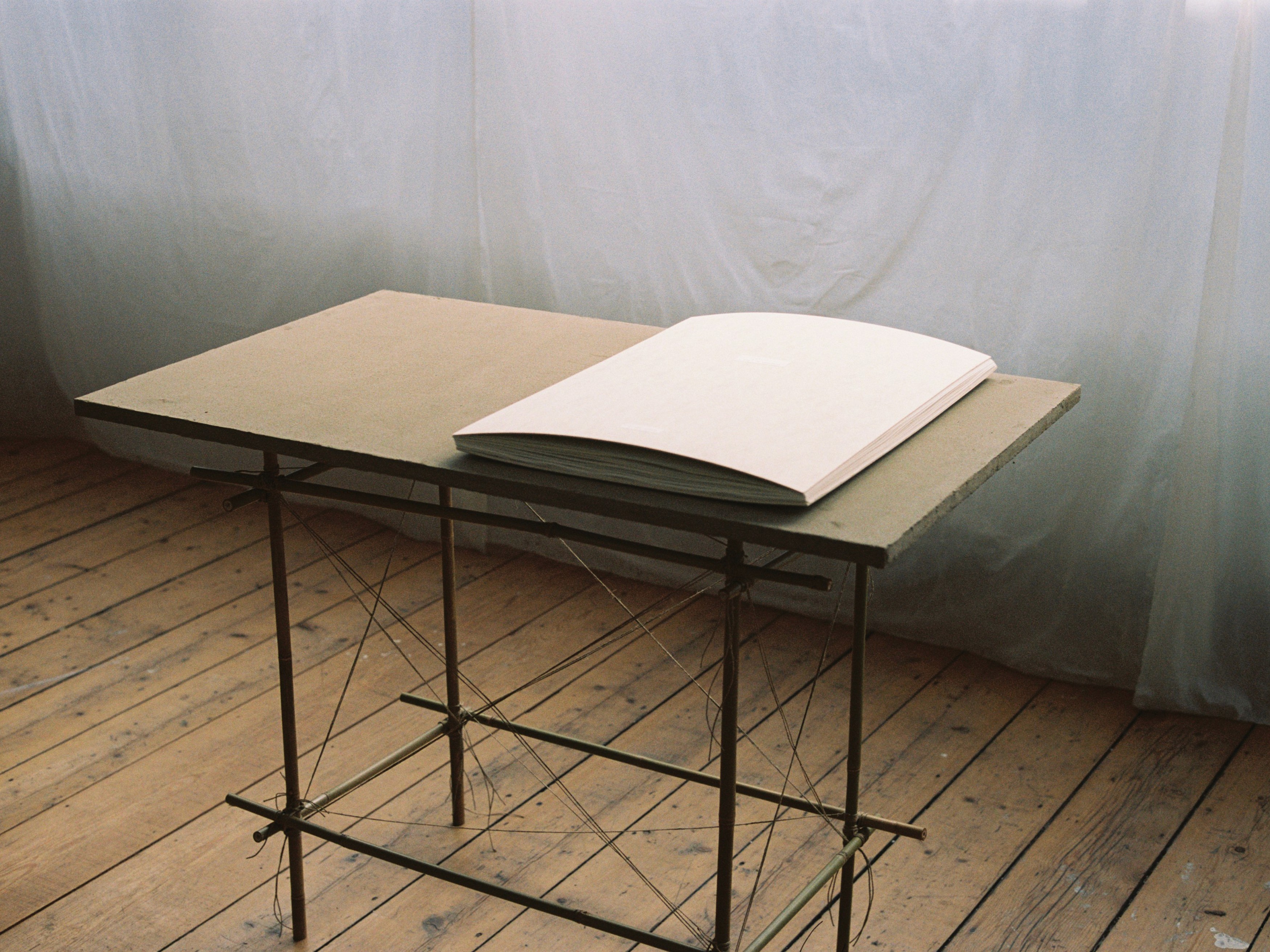
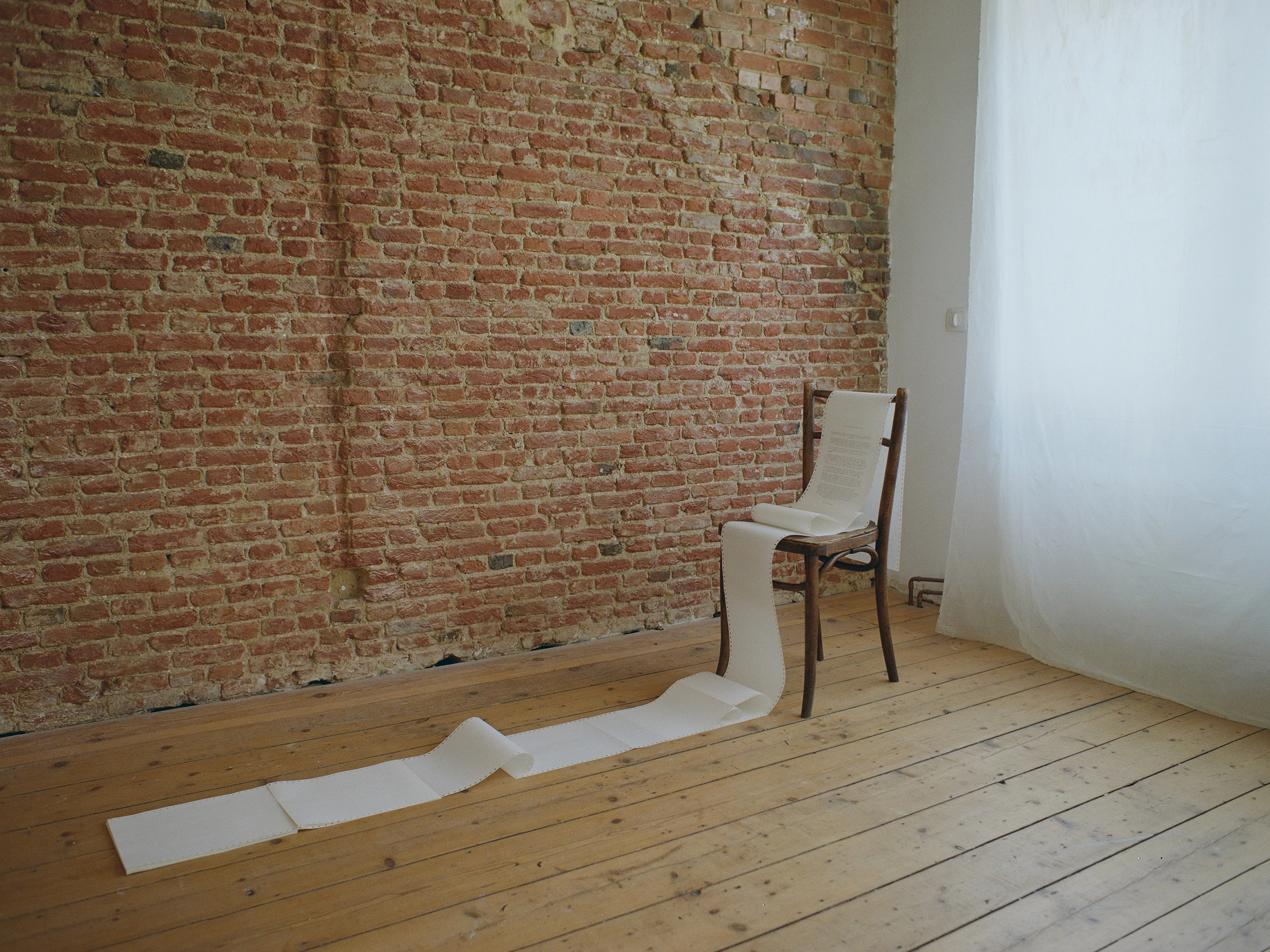
Two years ago Veronika Breuer started taking photographs along the Danube, the river that connects her two home countries Austria and Hungary. The handmade book contains a selection of these photographs.The Hungarian title “A Duna Vallomása” can be translated as “The Danube’s Testimony”. The English title ”By the Danube” refers tothe location of her wanderings but also to the life giving, nourishing nature of big rivers like the Nile, the Amazone or the Yangtze.
The book finds itself on a table covered with sand and 30 million year old clay, pushed up from the belly of the earth and forming an insoluble wall guiding the Danube.
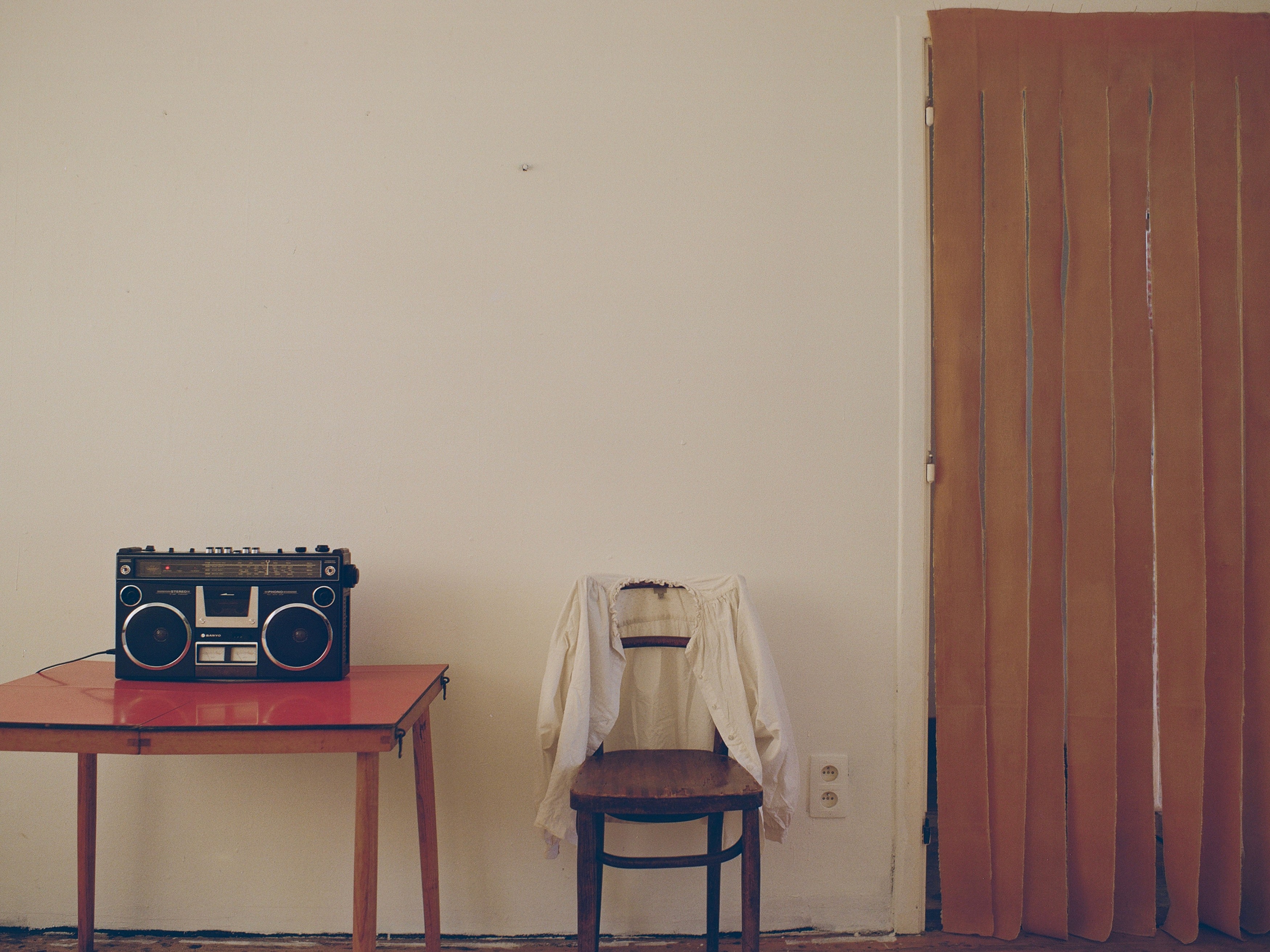
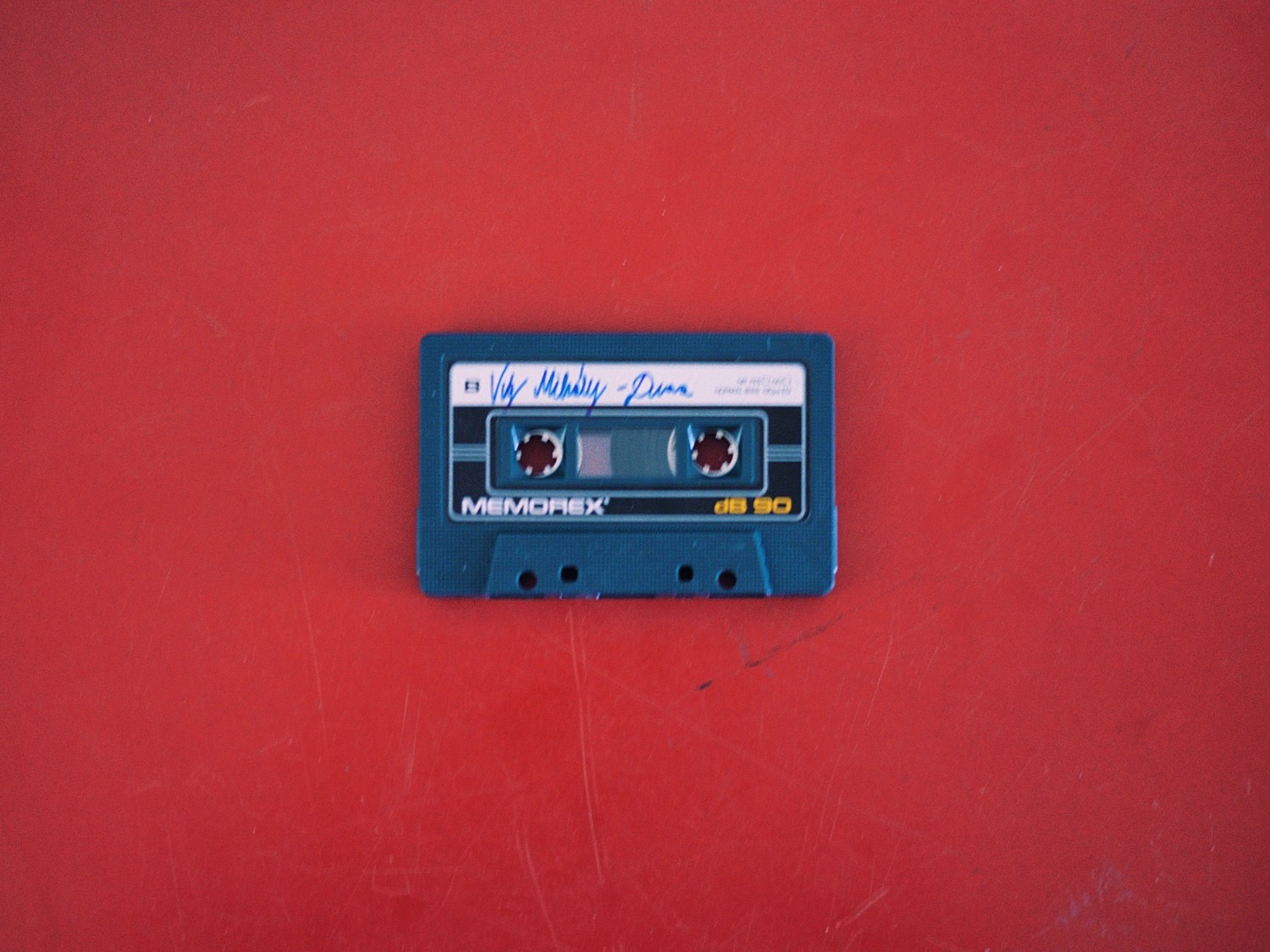
In a second room you can hear the song “A Duna Vallomása”, performed by Mihály Víg, long time collaborator and composer of Bela Tarr and one of the main actors in the film Sátántangó. Breuer asked him if he wanted to sing the song for her so she could record it on a cassette tape. The song is played by the recorder she used to record it. It is based on a poem by Ady Endre. In this poem the poet asks the Danube about things it has witnessed.
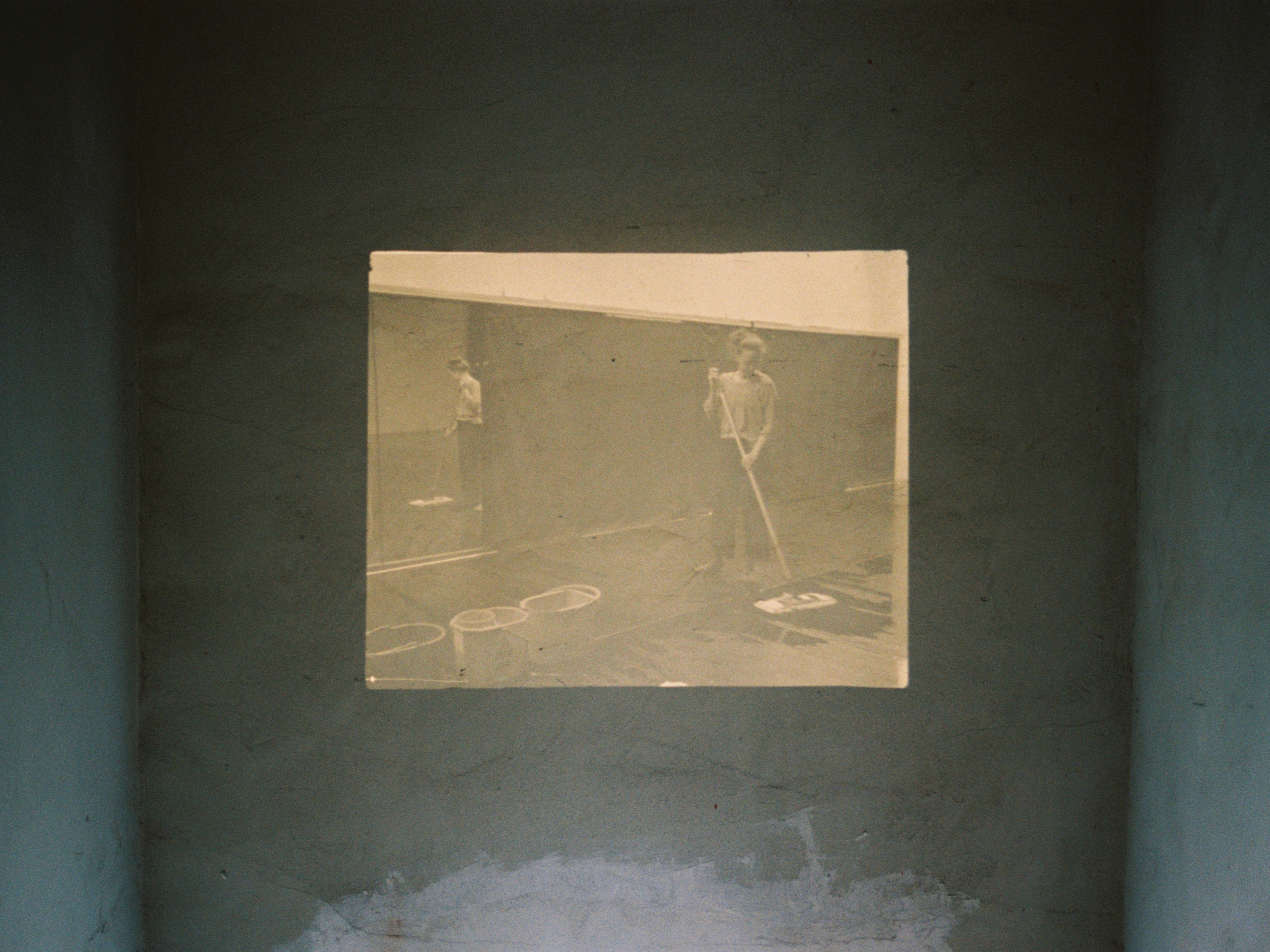
In the stairwell an overhead projector projects an image representing a young woman mopping a wet floor. The image is based on a black and white 4x5 HP5+ ilford negative, rephotographed to obtain a negative with a positive image.
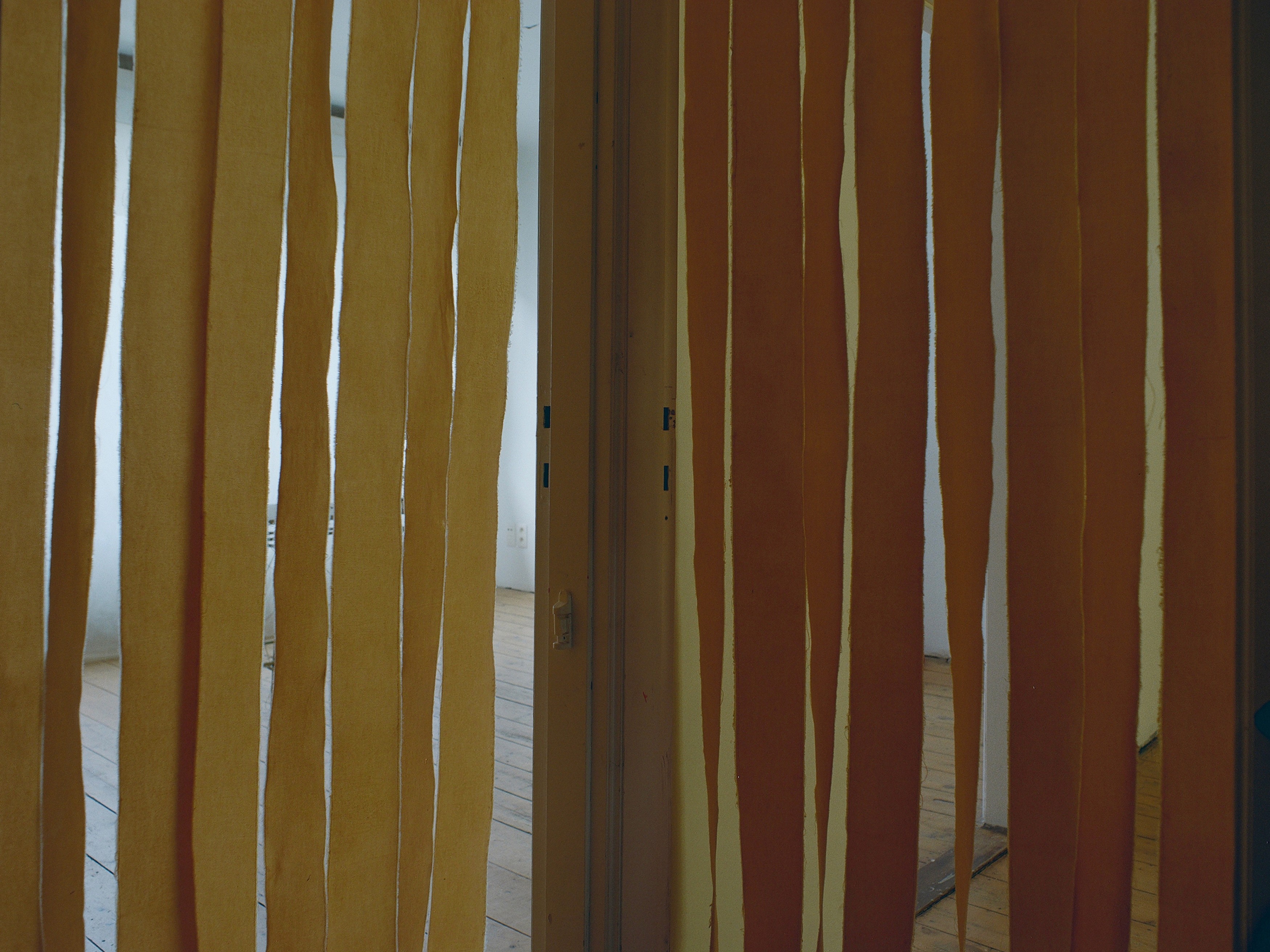
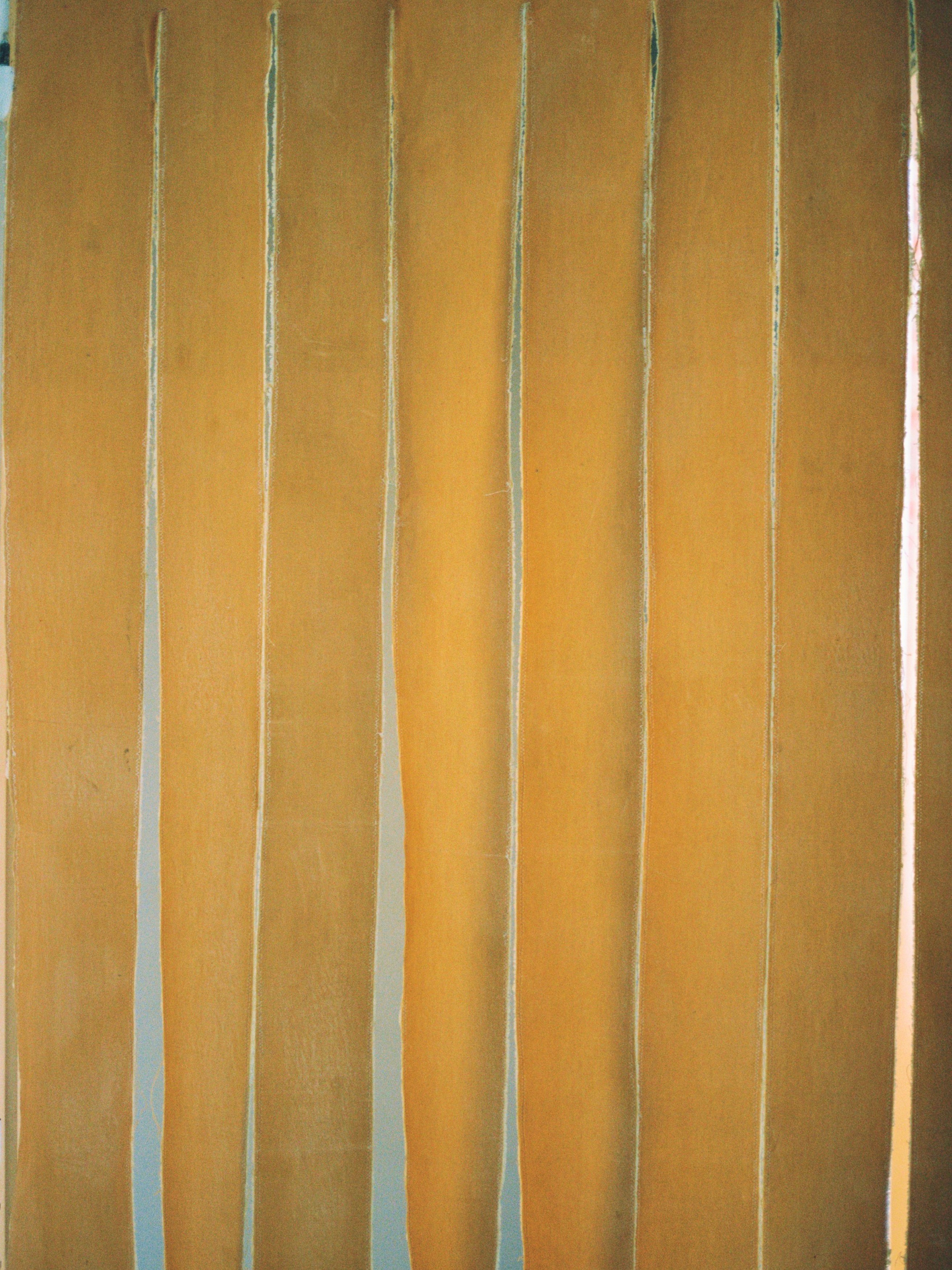
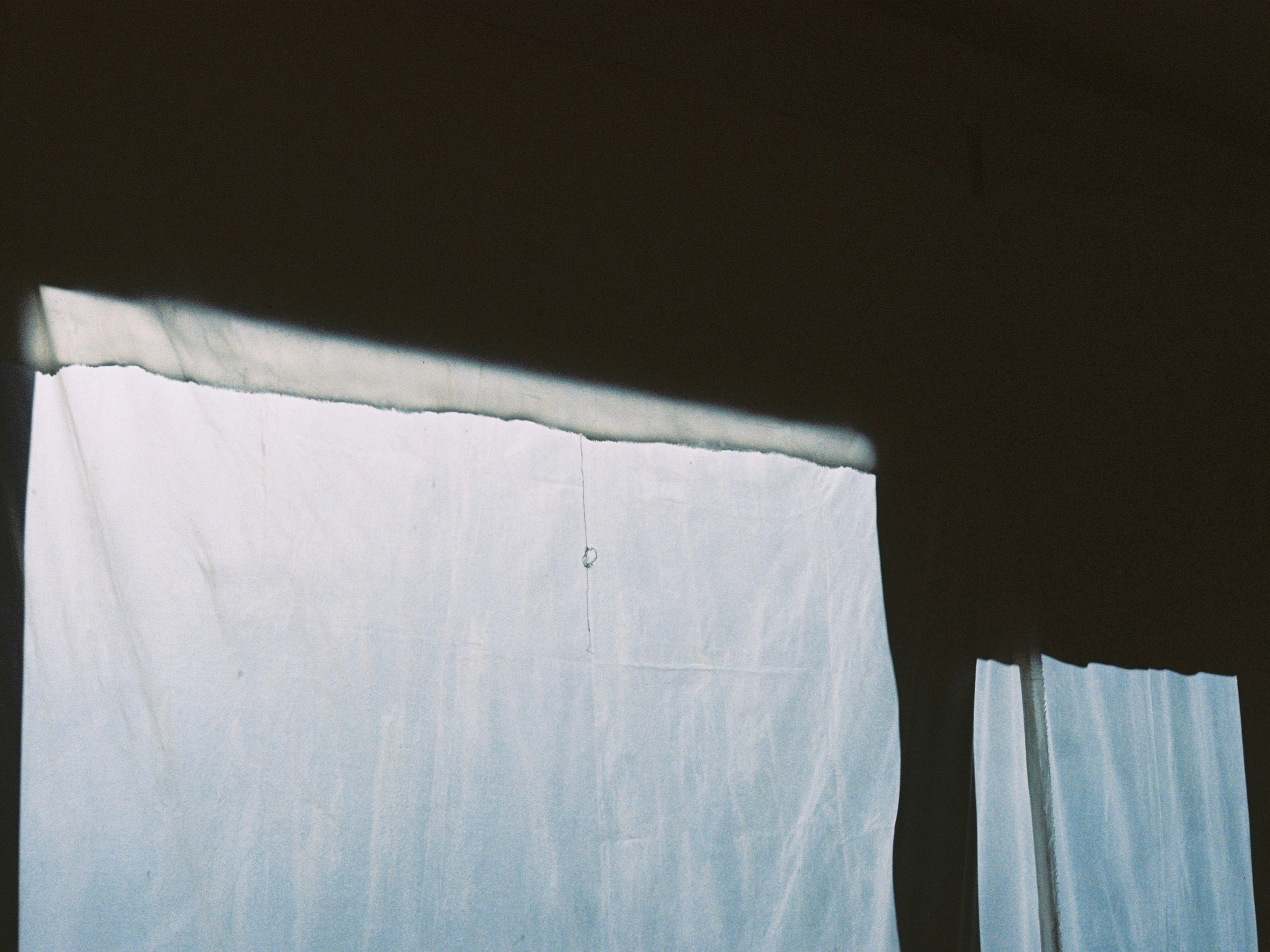
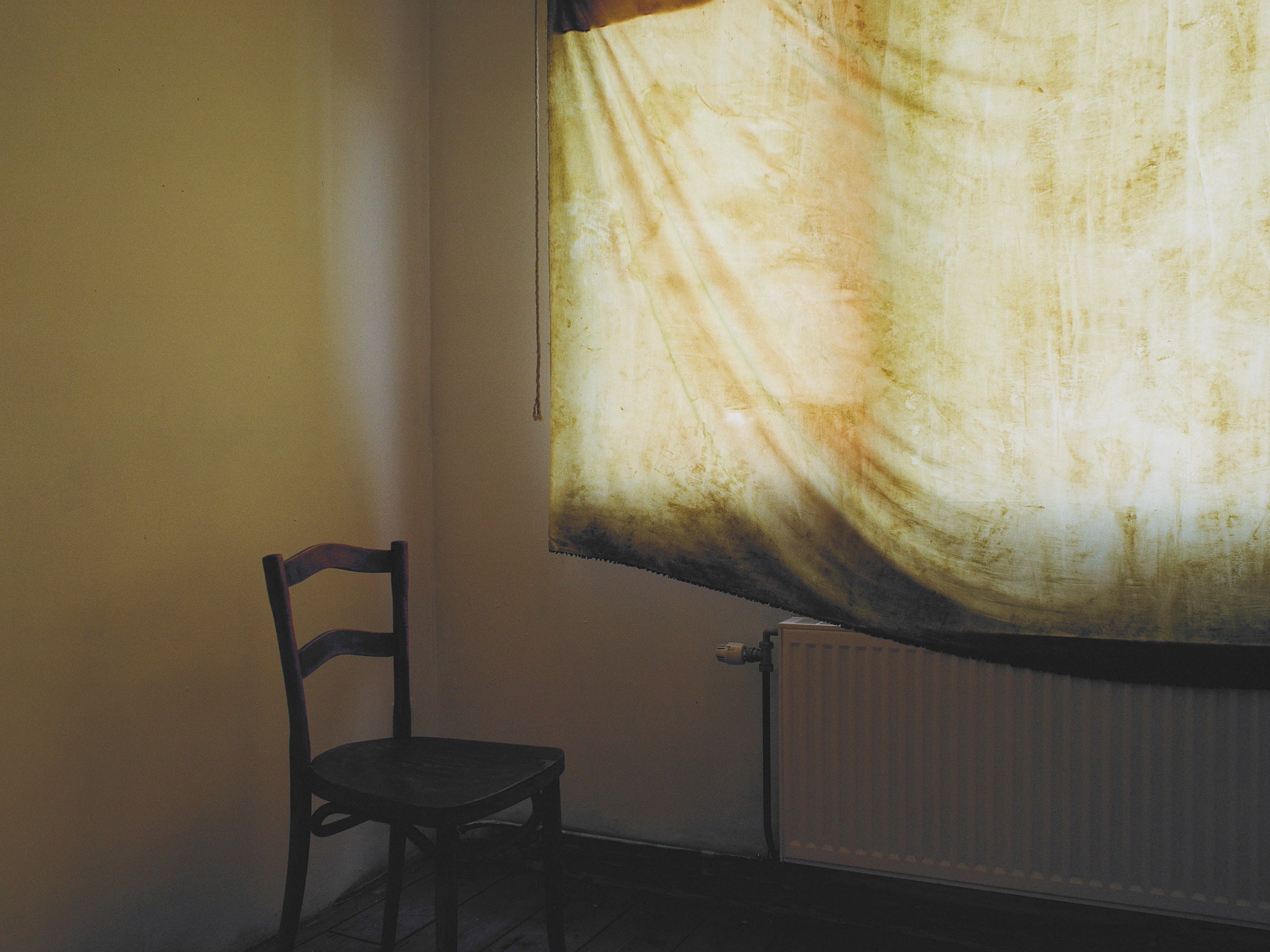
The light coming from the street window and entrance doors is tinted by a fabric treated with a selfmade mixture of beeswax with linseed oil and pumpkin seed oil. The ‘curtains’ closing the space were torn and stitched and treated with the same mixture. The backside window is veiled by a fabric soaked in the 30 million year old clay mentioned above.
The presentation is a result of multiple collaborations. Anna Breuer made the clay table; Lilla Starkbauer and Sharon de Levi helped Breuer gather the clay, Julia Breuer helped her stitch the split curtains, Kutasi Pál from Kesztölc gave her a big chunk of beeswax (he didn’t let her pay for it), Szabó Miklós taught her how to bind a book, Clemens Schedler gave feedback on the graphic design, Alberto Eloy Rodríguez helped her to turn a negative into a ‘positive’ by rephotographing and developing it with sodium carbonate to make it rich in contrast.
Mihály Víg sang a song